Best Piano Software For Beginners | The 15 Top-Rated Apps
Top Beginner-Friendly Piano Learning Software For New Players
Learning piano no longer means paying for weekly lessons or practicing alone with sheet music. Today, beginner piano software can take you from your first note to playing real songs, at home, at your own pace.
The real challenge is picking the right one. Some apps are suitable for complete beginners and children, while others work better for adults, visual learners, or those using a MIDI keyboard. The best piano software for beginnerscombines real-time feedback, structured lessons, and a song library that keeps you motivated long enough to actually improve.
Below are the top options, matched to different learning styles, budgets, and goals.
1. Simply Piano
Best for:Absolute beginners, kids, and casual learners
Platform:iOS, Android
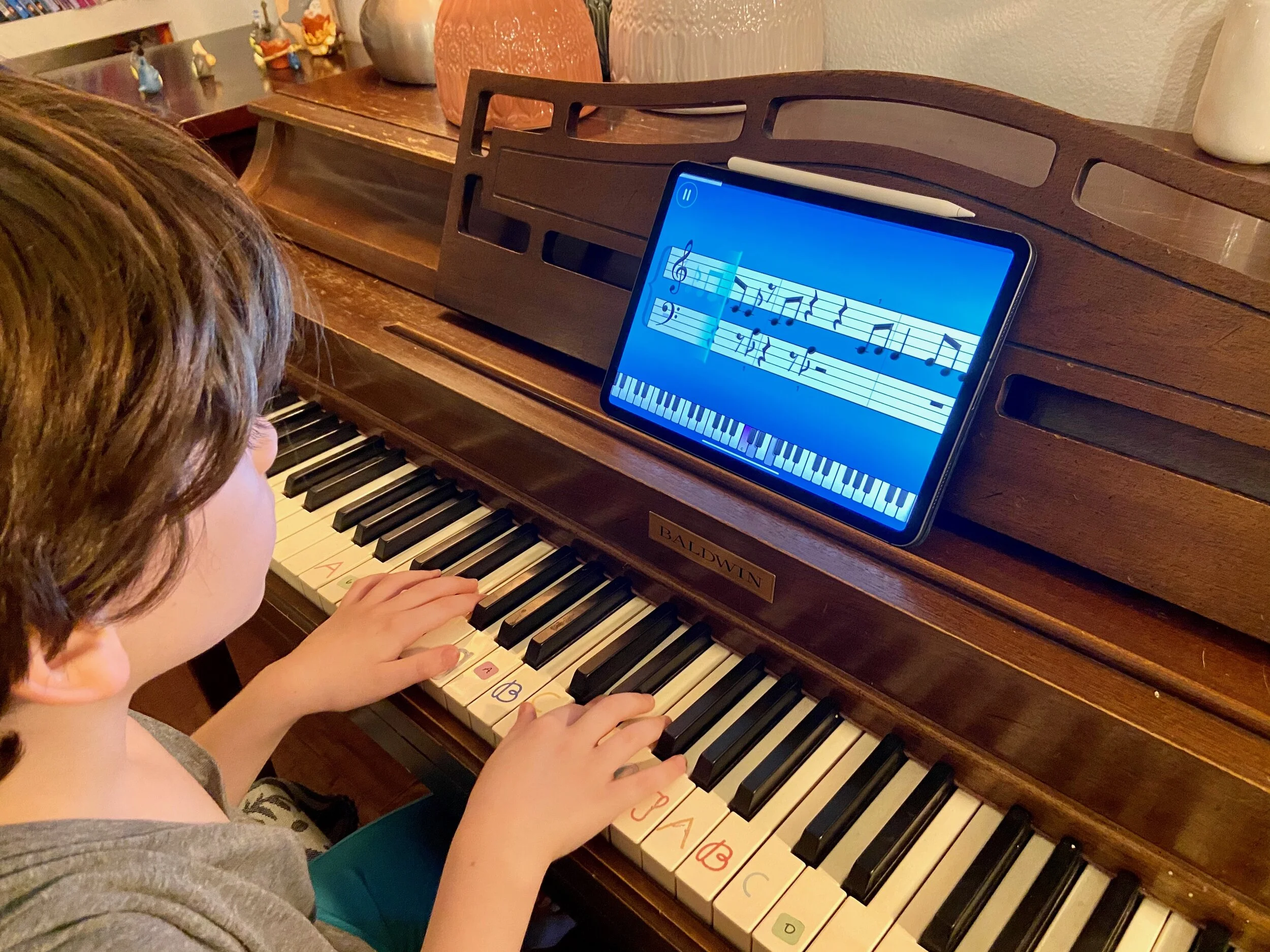
Simply Piano is one of the most popular piano learning apps for beginners because it removes complexity and focuses on fast, guided progress. It uses short lessons, visual note tracking, and microphone or MIDI input to help learners play correctly from the start. This makes it ideal for users with zero experience who want a simple way to begin.
Its biggest strength is its gamified piano lessons, which make practice feel fun and motivating through quick wins and progress tracking. However, it offers limited depth for advanced learners, especially in areas like music theory and long-term skill development.
2. Flowkey
Best for:Adults, hobby learners, and song-focused beginners
Platform:Web, iOS, Android
Flowkey is a leading choice for online piano learning thanks to its large song library and clean, beginner-friendly design. It teaches through real songs using split-screen visuals that show both sheet music and hand positioning, making it easier to understand how to play. Its strength lies in flexible learning; you can slow down songs, repeat sections, and practice at your own pace.
It supports MIDI keyboards and acoustic pianos, but it is lighter on deep theory training compared to more structured platforms. This makes it a great starting point for anyone trying to understand how to learn pianoin a simple, step-by-step way without feeling overwhelmed.
3. Yousician
Best for:Gamified learners and motivation seekers
Platform:Windows, Mac, iOS, Android
Yousician turns piano practice into an interactive game, making it popular among beginners who need motivation. It uses real-time feedback, daily challenges, and scoring systems to encourage consistent practice and improve timing and accuracy.
When choosing between platforms, many users find themselves weighing the pros and cons of cloud vs. desktop software, as some apps require a constant internet connection for their interactive features while others offer more stable, offline performance. The Yousician platform is highly engaging and supports multiple instruments, but its heavy focus on gamification can sometimes limit deeper learning of sheet music reading and classical technique.
4. Skoove
Best for:Adults seeking balanced and structured learning
Platform:Web, iOS, Android
Skoove Piano Learning App | My Honest Review
Skoove is designed for learners who want both fun and structured music education. It combines guided lessons with AI feedback that listens to your playing and helps correct mistakes in real time.
Its strength is its balanced approach to music literacy, chords, and rhythm, making it ideal for steady progress. However, its song library is smaller compared to Flowkey, which may limit variety for some learners.
5. Synthesia
Best for:Visual learners and MIDI keyboard users
Platform:Windows, Mac, iOS, Android
Synthesia is widely known for its falling-note visual system, which makes learning piano feel intuitive for beginners who struggle with sheet music. Notes fall toward a virtual keyboard, showing exactly what to play in real time. It works especially well with MIDI keyboards, offering accurate feedback and engaging practice sessions.
However, if you are having trouble connecting your hardware, following professional MIDI keyboard setup tips can ensure your device and software sync perfectly for low-latency practice. Ultimately, while the app is excellent for visual learners, it lacks structured theory lessons, so players may need additional resources for full musical understanding.
6. Pianote
Best for:Learners who prefer human instruction
Platform:Web, iOS, Android
Pianote feels more like an online piano school than an app, offering video lessons taught by real instructors. It focuses on building confidence through clear explanations, demonstrations, and guided practice.
Its strength is the human teaching approach combined with a supportive community. However, it provides less automated note-by-note feedback, so learners rely more on observation and repetition.
7. Playground Sessions
Best for:Structured course-based learners
Platform:Windows, Mac, iPad
Playground Sessions offers a structured learning path similar to a full piano course. It combines video lessons, song practice, and MIDI feedback to help learners progress step by step.
It is especially useful for users who want organized training from basic chords to full songs. However, its interface can feel slightly less intuitive compared to simpler beginner apps.
8. Piano Marvel
Best for:Classical learners and sight-reading development.
Platform:Windows, Mac, iPad
Piano Marvel Comprehensive Review
Piano Marvelis known for its strong focus on sight-reading and technical training, making it popular in academic and classical learning environments. It includes structured lessons and assessment tools like SASR to measure progress.
Its strength lies in disciplined skill development and structured progression. However, the interface feels more technical and may not be as beginner-friendly as more modern piano apps.
9. Hoffman Academy
Best for:Kids and homeschool learners
Platform:Web, iOS, Android
Hoffman Academyis a highly trusted piano learning platform for children, widely used by parents and homeschool educators. It focuses on step-by-step video lessons that introduce beginners to rhythm, notes, and basic playing skills in a structured and friendly way. The teaching style is simple, making it easy for young learners to stay engaged.
Its biggest strength is its large free piano lesson library, which covers core fundamentals like hand position, timing, and basic theory. However, it is less suitable for adult learners who may prefer faster progression or more modern, interactive piano software features.
10. Piano Academy
Best for:Mobile beginners
Platform:iOS, Android
Piano Academy is a simple and growing mobile piano learning app designed for users who want a quick and easy start. It offers guided lessons, basic exercises, and interactive feedback that helps beginners learn without feeling overwhelmed. Its clean design makes onboarding very smooth.
The app’s main advantage is its simple interface and beginner-focused structure, which helps users build early confidence. However, its ecosystem is still smaller compared to leading platforms, meaning fewer advanced lessons and limited long-term depth in music theory and structured progression.
11. OnlinePianist
Best for:Learning popular songs
Platform:Web, iOS, Android
OnlinePianist is built around one clear idea: helping users learn popular piano songs quickly. It uses animated tutorials that visually guide learners through note-by-note playback, making it easier to follow along without reading traditional sheet music.
Its strength lies in its song-focused approach and large library of modern hits, which provides a fun way to improve your piano skillsby mastering your favorite tracks. However, it is not a full piano curriculum, so learners looking for structured skill development in technique or theory may need additional learning resources.
12. Melodics
Best for:Producers and rhythm-focused learners
Platform:Windows, Mac, iOS
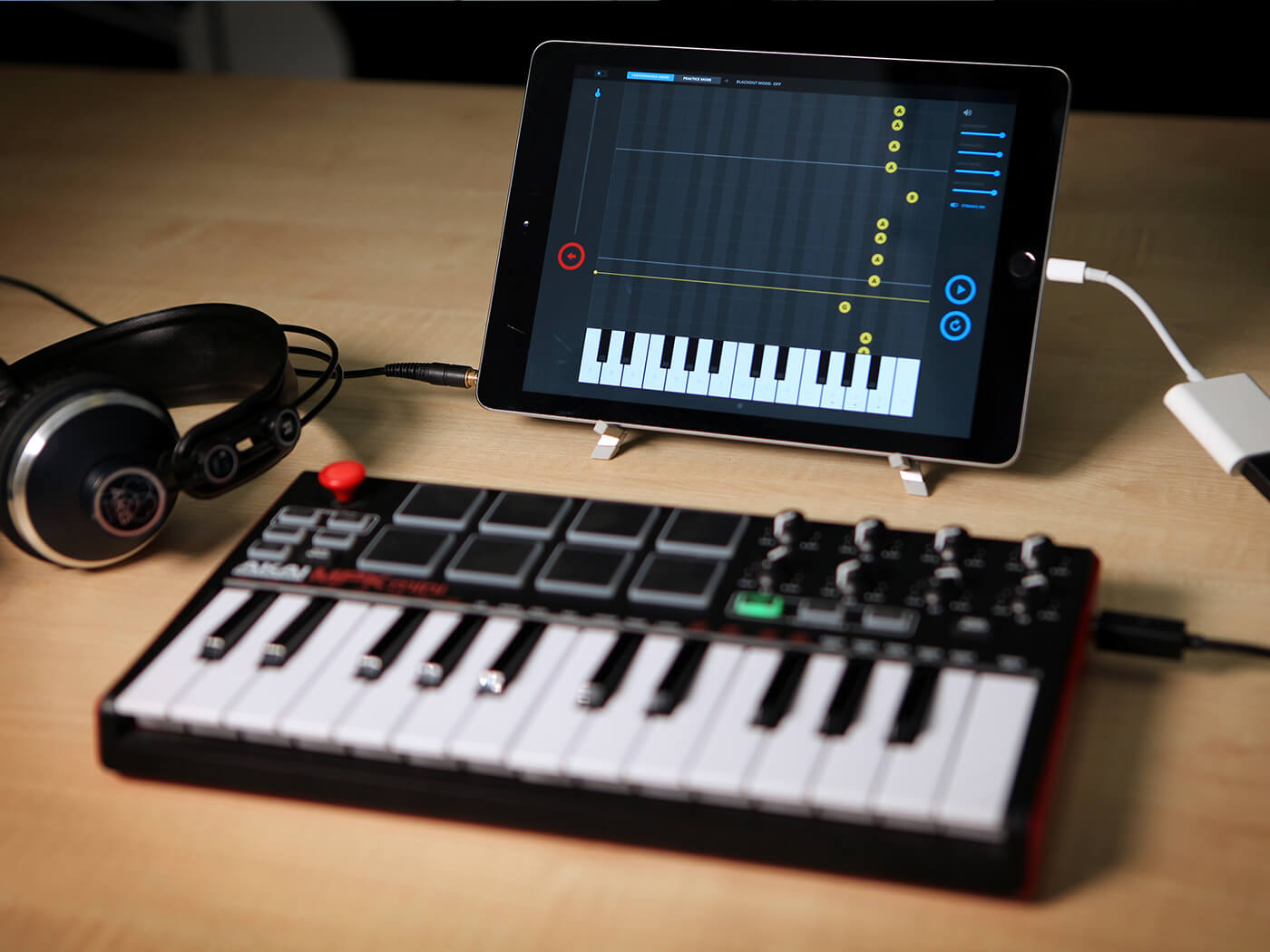
Melodics is a popular choice among producers, beatmakers, and MIDI keyboard users who want to improve timing and finger control. It focuses heavily on rhythm training, helping learners develop coordination and accuracy through interactive exercises.
Its strength is building finger independence and timing precision, which is especially useful for modern music production. However, it is less focused on traditional piano learning, so it does not fully cover classical technique or structured sheet music reading.
13. Musora (The Piano App)
Best for:Mobile learners within the Pianote ecosystem
Platform:Web, iOS, Android
Musora (The Piano App) is a mobile-friendly extension of the Pianote learning ecosystem. It offers short, focused lessons designed for learners who prefer quick practice sessions instead of long, structured courses. This makes it convenient for busy beginners.
Its strength is its bite-sized lesson format, which helps learners stay consistent even with limited time. However, it has lower brand recognition compared to Pianote and offers a smaller standalone learning experience in terms of depth and curriculum coverage.
14. Pianu
Best for:Browser-based learners and Chromebook users
Platform:Web (Browser-based)
Pianu is a lightweight browser piano learning tool that requires no installation, making it ideal for quick access on laptops or school devices. It uses a simple visual interface where learners can play along directly in their browser. Its strength is convenience and accessibility, especially for users who want a no-setup experience.
However, because this platform operates entirely online, it is always a good security practice to ensure your system is protected by free firewall software for personal computerswhile practicing in an open browser. Despite its ease of use, it lacks the deeper structure and advanced progression found in full piano learning software platforms, making it better for casual practice than serious study.
15. MuseScore
Best for:Free sheet music and notation practice
Platform:Windows, Mac, Linux, Web

MuseScore Step-by-Step Guide: Make Piano Sheet Music FAST
MuseScore is one of the most widely used free tools for sheet music notation and reading practice. It offers a massive community-driven library where users can access, create, and share piano scores across all skill levels. Its biggest strength is that it is completely free and provides a powerful notation ecosystem for learning and exploring music.
By utilizing a community-driven model, it serves as a primary example of the benefits found in open-source vs proprietary software, offering transparency and collective growth that paid, closed-system alternatives often lack. However, it is not a guided piano lesson platform, so beginners will need external resources for a structured piano learning progression.
People Also Ask
What Is The Best Piano Software For Beginners?
Flowkey and Simply Piano are the most popular choices. Simply Piano is easier for absolute beginners, while Flowkey is better for learning real songs.
What Is The Best Piano Software For Classical Music?
Piano Marvel is the best choice because it focuses on sight-reading, technique, and structured progression.
Is Yousician Good For Piano Beginners?
Yes. Yousician is great for motivation and practice habits, but it is more game-like than traditional learning.
What Is The Best Piano Software For MIDI Keyboards?
Synthesia, Piano Marvel, and Playground Sessions offer the strongest MIDI integration.
How Long Does It Take To Learn Piano With Software?
With consistent practice, beginners can play simple songs in a few weeks, but real progress depends on practice time and consistency.
Final Thought
The best piano software for beginners is the one that matches your goals, keeps you consistent, and makes practice feel simple rather than overwhelming. Choosing a gamified app, structured lessons, or song-based learning all work when paired with regular practice and the discipline to stick with one tool long enough to build confidence and skill.