Open-source Vs Proprietary Software - Understanding Software Ecosystems
Choosing between proprietary software and open-source softwareis a critical decision for businesses, developers, and organizations. This choice influences cost, security, flexibility, and overall efficiency.
If you are selecting an operating system, a content management system, or a machine learning platform, understanding the strengths and weaknesses of each software type is essential.
Proprietary software is developed and owned by companies that restrict access to its source code, requiring users to purchase licenses. Open-source software, on the other hand, provides users with the ability to inspect, modify, and distribute its code freely.
What Is Open-Source Software?
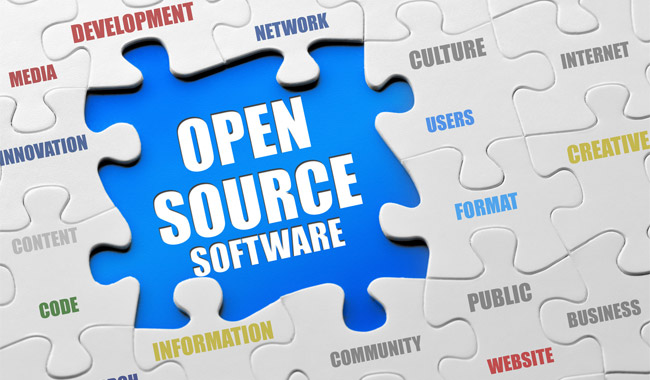
Open-source software (OSS) is software whose source code is freely available to the public. Users can inspect, modify, and distribute it according to the terms of its open-source license. This fosters collaboration among developers worldwide, leading to rapid innovation and improvement.
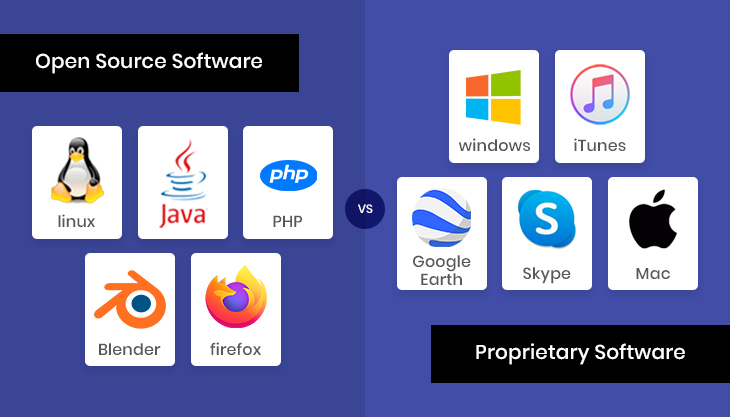
Popular open-source software examples include Linux, Apache, WordPress, VLC Media Player, and the Firefox web browser. Many large-scale businesses also rely on open-source tools such as Kubernetes and TensorFlow for cloud computing and machine learning.
Key Features Of Open-Source Software
- Transparent and Accessible Source Code: Anyone can examine, modify, and enhance the software.
- Community-Driven Development: A global network of developers contributes to its improvement, ensuring continuous updates and enhancements.
- Free or Low-Cost Availability: Most open-source software is free to use, with optional paid support services.
- High Customization and Flexibility: Organizations can tailor the software to meet their specific needs without licensing restrictions.
- Potentially Faster Bug Fixes: Since multiple developers review the code, security vulnerabilities are often detected and fixed more quickly.
What Is Proprietary Software?
Proprietary software, also known as closed-source software, is owned and controlled by a company or an individual. Its source code is not publicly accessible, meaning only the creator or authorized developers can modify, distribute, or customize it. Users must obtain a license to use the software, often through a one-time purchase, subscription, or enterprise agreement.
Common examples of proprietary software include Microsoft Windows, macOS, Adobe Photoshop, and Microsoft Office. These products come with strict licensing agreements that regulate installation, sharing, and modification.
Key Features Of Proprietary Software
- Restricted Access to Source Code: Only the developing company has the rights to view, modify, or enhance the code.
- Licensing Requirements: Users must comply with specific licensing agreements that often limit how the software is installed or shared.
- Official Vendor Support: Proprietary software providers offer dedicated customer support, troubleshooting assistance, and regular updates.
- Enhanced Security Management: The software vendor is responsible for maintaining security updates and addressing vulnerabilities.
- Premium Features and Stability: Proprietary software is typically designed with high usability standards, offering stable and user-friendly interfaces.
Differences Between Open-Source And Proprietary Software
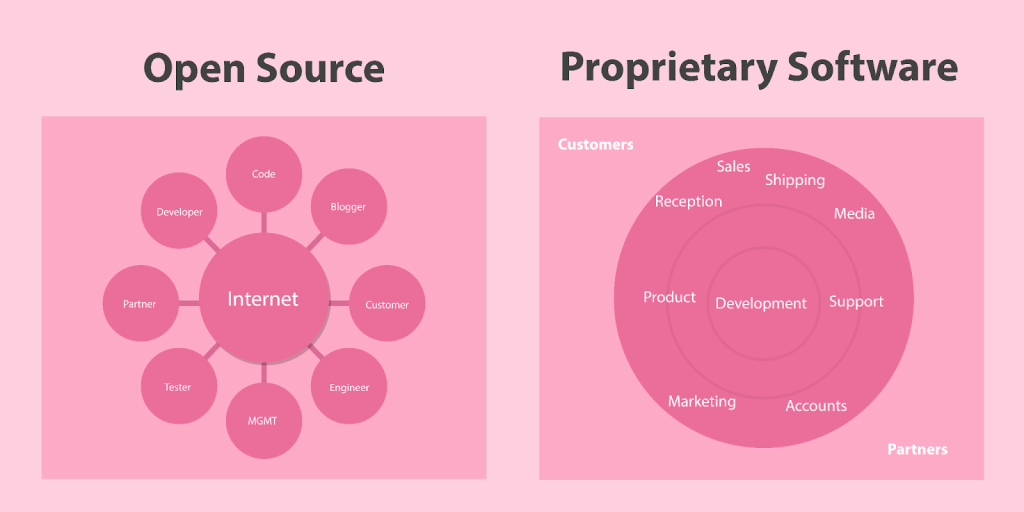
The primary difference between open-source and proprietary software lies in access to the source code. Open-source softwareallows modifications and redistribution, while proprietary software restricts these activities. However, these differences extend into various aspects, including development, security, cost, and user experience.
Development Process
Open-source software is developed collaboratively by global contributors who continually refine and improve the software. This community-driven approach fosters innovation and rapid problem-solving.
Proprietary software is developed internally by a company’s dedicated team. This controlled environment ensures consistency, adherence to business objectives, and a structured development cycle.
Cost Considerations
Open-source software is typically free to use, making it an attractive option for startups and small businesses. However, there are hidden costs associated with customization, implementation, and technical support.
Proprietary software requires an upfront payment or subscription fees. While this increases operational costs, it often comes with professional support, reducing the need for in-house expertise.
Security And Maintenance
Security in open-source software depends on the vigilance of the developer community. While vulnerabilities are quickly detected and patched, the lack of centralized oversight can lead to inconsistent security practices.
Proprietary software vendors take responsibility for security and maintenance, ensuring regular updates and patches. However, users are dependent on the company for fixes and improvements, which may not always align with their needs.
Flexibility And Customization
Open-source software offers unlimited customization possibilities, making it ideal for businesses that require tailored solutions. Developers can modify features, integrate additional functionalities, and adapt the software to their specific requirements.
Proprietary software, by contrast, is often limited to predefined features. Users must rely on updates and add-ons provided by the company, reducing flexibility.
Support And Usability
Open-source software support primarily comes from community forums, online documentation, and third-party services. While the wealth of information available is valuable, it requires technical expertise to navigate.
Proprietary software provides official support, with dedicated customer service teams, comprehensive documentation, and training programs. This makes it a preferred choice for organizations that require reliable and immediate assistance.
Pros And Cons Of Open-Source Software
Pros:
- Customization:Users can modify the software to suit their needs.
- Cost-effective:Free or lower-cost alternatives to expensive proprietary solutions.
- Transparency:Open code ensures security and reliability.
- Community-driven:Rapid improvements and innovations from a global network of developers.
Cons:
- Requires expertise:Customization and maintenance need technical skills.
- Potential security risks:Public access to source code can expose vulnerabilities.
- Limited support:No dedicated customer service unless paid support is purchased.
Pros And Cons Of Proprietary Software
Advantages:
- User-friendly:Designed with intuitive interfaces and structured usability.
- Reliable support:Dedicated customer service and regular updates.
- Enhanced security:Centralized management reduces security risks.
Disadvantages:
- High cost:Requires licensing fees and potential ongoing subscription costs.
- Limited flexibility:Users cannot modify the software to fit unique needs.
- Vendor lock-in:Dependence on a single company for updates and compatibility.
Business Models And Considerations
Open-Source vs. Proprietary Software in Business: A Comprehensive Analysis
The software industryis driven by a mix of proprietary and open-source business models, each with unique strategies for revenue generation. Proprietary software companies primarily rely on direct sales, subscriptions, and licensing fees. These models ensure dedicated development, structured support, and financial stability, but often lead to higher costs for consumers. Companies like Red Hatand Automattic generate revenue through professional services, enterprise support, cloud hosting, and consulting.
The debate between open-source and proprietary software often centers on flexibility, cost, and innovation. Interestingly, some of the most successful tech entrepreneurs and celebrities have made their fortunes in industries shaped by these two paradigms. Open-source software has been pivotal in the careers of tech moguls like Elon Musk and Mark Zuckerberg, whose ventures rely on both open-source and proprietary technologies.
Understanding how these individuals have built their wealth through strategic decisions in technology can provide valuable insights. You can explore the financial profiles of tech industry leadersto see how their choices have influenced their net worth.
As a result, many startups and enterprises take a hybrid approach, leveraging open-source tools for flexibility while adopting proprietary solutions for security and reliability. This balance allows businesses to maximize innovation while maintaining financial sustainability.
Use Cases For Open-Source And Proprietary Software
The choice between open-source and proprietary software depends on the use case. Open-source software is widely used for web servers, development frameworks, and operating systems where flexibility and cost savings are critical.
Proprietary software is preferred in environments that require structured support, security, and a seamless user experience, such as enterprise IT solutions, commercial design tools, and cloud-based services.
Frequently Asked Questions
What Is The Main Difference Between Open-source And Proprietary Software?
The primary difference is that open-source software allows users to access, modify, and distribute the source code, whereas proprietary software is owned and controlled by a company, restricting access and modifications.
Which Is More Secure: Open-source Or Proprietary Software?
Both have security advantages and risks. Open-source software benefits from transparency and community-driven bug fixes, while proprietary software relies on in-house security measures and controlled updates.
Can A Company Switch From Proprietary To Open-source Software?
Yes, many companies transition to open-source solutions to reduce costs and gain more flexibility. However, migration challenges such as data transfer and compatibility issues must be considered.
Is Open-source Software Truly Free?
While open-source software is free to use, businesses may incur costs for implementation, customization, and support services.
Conclusion
There is no definitive answer to whether open-source or proprietary software is superior - it depends on business needs, technical requirements, and budget constraints.
Open-source software offers unparalleled flexibility and cost savings but requires technical expertise for effective implementation. Proprietary software ensures stability, support, and security but comes with a higher price tag and restrictions.
For businesses and developers, the ideal approach may involve a hybrid model, leveraging open-source tools where flexibility is needed and proprietary solutions where support and reliability are critical.
By understanding the benefits and limitations of each, organizations can make informed decisions that align with their long-term goals.