How To Spot A Bot On A Dating App | My Complete Safety Guide
How I Spot Dating Bots On Apps And Protect Myself
I’ll never forget the moment I realized I’d been chatting with a bot for three weeks. The conversations felt real, the photos looked genuine, and I was honestly excited about meeting this person. Then came the classic twist, a sudden request for money to “visit me.” That’s when everything clicked into place.
That wake-up call pushed me to dig deep into how dating app bots operate and, more importantly, how to recognize them early. Over time, I figured out how to spot a bot on a dating appwithout second-guessing myself. After years of online dating and helping friends through the same struggles, I’ve built a reliable system for identifying fake profiles.
I’ll show you the subtle signs most people miss, the psychology behind bot behavior, and the practical steps you can take to protect yourself from scams that are getting more sophisticated every year.
What Exactly Are Bots On Dating Apps, And Why Should You Care?
Bots on dating apps are automated profiles run by software, not real people. Their goal varies; they might want to scam you out of money, steal your data, or flood the app to promote something. Some bots are old-fashioned spam profiles, while newer ones use artificial intelligence to mimic human behavior.
I’ve noticed that the more advanced these bots get, the harder it becomes to tell if you’re chatting with a machine or a real person. Yet failing to spot a bot means risking your time, emotional energy, and maybe even your money.
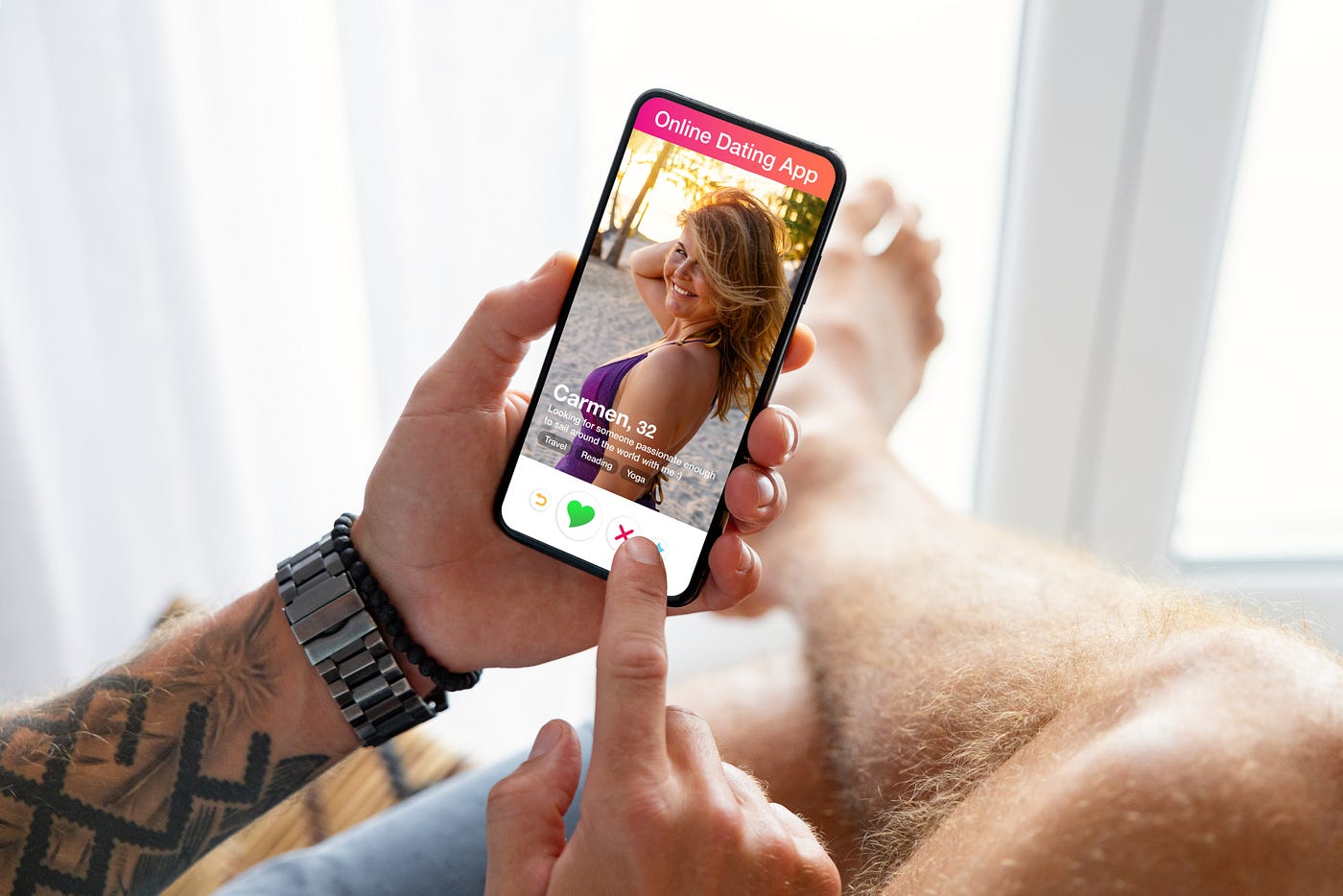
How Bots Operate And Why They Exist
From my experience and research, bots are everywhere on dating apps, and not all of them are harmless. Understanding how they work has helped me avoid wasting time and protect myself from scams.
Scammers
Some bots are designed specifically to trick people into giving money or personal information. I’ve seen accounts that try to build trust quickly, then ask for financial help or send suspicious links. These bots are dangerous because they exploit emotions to carry out online dating scams. Being able to recognize these patterns early has saved me from potential fraud.
Spammers
Other bots focus on promoting products, websites, or services aggressively. I’ve noticed profiles that constantly drop links, advertise services, or push downloads. While they might seem harmless at first, interacting with these bots can lead to malware or spam flooding your inbox. Spotting spammy behavior is a key part of staying safe online.
Engagement Inflators
Some apps use bots to make the platform seem busier than it is. These bots send automated messages or match with users to give the illusion of active engagement. I’ve learned that not every enthusiastic match is real, and recognizing this helps me set realistic expectations while using dating apps.
How Bots Communicate
Most bots use AI or scripts to automate conversations. They often pick up on keywords in your messages, but their replies usually feel off, repetitive, or generic. I’ve found that paying attention to these subtle behavioral patterns, like unnatural timing or inconsistent responses, helps me spot suspicious accounts quickly.
Clear Signs A Profile On A Dating App Is A Bot
1. Instant Replies, 24/7
One of the first things I notice is when someone replies instantly at any hour. Humans need sleep, take breaks, and sometimes get distracted. If I get a message at 3 a.m. or multiple rapid-fire replies within seconds, it immediately makes me suspicious.
Bots are designed to respond automatically, so this pattern is a huge red flag for fake profiles or automated messages.
2. Generic Responses
I’ve learned to watch out for replies that feel too generic or unrelated to my questions. For example, if I ask about their favorite movie and they respond with “That sounds fun!” instead of giving a real answer, it’s a sign the profile might be a bot.
These vague answers are common in fake accounts because bots are programmed to reply broadly without understanding context.
3. Overly Flattering Messages
Bots often try to hook you with compliments that are too perfect or repeated word-for-word. I’ve had profiles tell me I’m “amazing” or “beautiful” multiple times in the first few messages.
While it feels nice at first, real people usually compliment naturally and don’t repeat the same phrases constantly. Overly flattering messages are often a strategy used by online dating scams.
4. Suspicious Links Or Requests
Anytime I’m asked to click a link, download something, or share personal information too early, my guard goes up. Bots frequently try to lure people to external websites or phishing pages.
I’ve learned to never click suspicious links from unknown profiles and always verify a person before sharing sensitive info. Protecting yourself from these online scams is crucial.
5. Profile Pictures That Look Too Perfect
I always check the profile photos carefully. If the pictures look like they’re from a modeling shoot or feel overly polished, I get cautious. Bots often use stock images or AI-generated photos to appear attractive.
Using reverse image search has helped me confirm whether the profile is real or just another suspicious account.
6. Mismatched Profile Details
Sometimes the information in a profile doesn’t match up. I’ve seen accounts where the age, job, or location doesn’t align with the photos or conversations. For example, someone claiming to live in New York but showing surroundings from Europe makes me wary. Inconsistent profile details are often a sign of a fake or bot account.
7. Repetitive Phrases
I’ve noticed some profiles repeat the same sentences across multiple conversations. Bots use scripts to save time, so the same phrases pop up over and over. If I see a pattern of repetition, I know it’s likely automated and not a genuine human interaction.
8. Avoiding Specific Questions
Whenever I ask about personal experiences or daily life, bots tend to dodge or give vague responses. Real people usually answer with details, while bots stick to safe, generic replies. Avoiding specific questions is a clear sign that the account might be part of online dating scams.
9. Unrealistic Interests Or Stories
I pay attention when someone’s hobbies or life stories feel generic or inconsistent. Bots often give broad answers like “I love traveling and music” without any real context. When I notice this, I know the profile might not be authentic and that I should proceed cautiously.
10. Emotional Mismatches
One subtle thing I’ve learned is to notice emotional mismatches. Bots can sound overly cheerful, flat, or oddly neutral at moments where a human would naturally react differently. For example, responding with the same level of excitement to a sad story feels robotic. Emotional mismatches are one of those small clues that helped me spot suspicious accounts.
11. External Communication Too Soon
I’m always cautious if someone immediately suggests moving to WhatsApp, Instagram, or email. Bots and scammers often try to get users off the dating app quickly. I’ve learned to keep the conversation within the app until I can verify the person’s authenticity.

Advanced Ways To Detect Dating Bots
Reverse Image Search
One of the first tricks I use is a reverse image search. I take the profile photo and upload it to Google Images or other search engines. If the picture shows up elsewhere under different names or on stock photo sites, I know immediately that the profile is fake. This simple step has saved me from wasting time on multiple suspicious accounts.
Analyze Messaging Patterns
Bots often give away their true nature through the way they message. I watch for repeated phrases, generic answers, or replies that don’t make sense with what I said. Even subtle things, like instant responses at odd times or overly scripted messages, make me suspicious. Over time, trusting my gut about messaging patterns has helped me spot fake accounts much faster.
Check Consistency Across Platforms
I also look at their other social media accounts if they share links. A real person usually has consistent photos, bios, and interactions across platforms. If I notice inconsistencies or profiles that seem empty or fake, I take it as a warning. Checking cross-platform consistency is a great way to verify someone’s identity before investing too much time.
Use App Tools
Most dating apps have built-in features to help detect bots. I make full use of verified badges, reporting tools, and safety tips. Knowing how to use these features effectively has helped me remove suspicious profiles faster and maintain a safer online dating experience. When I’m not on traditional dating apps, I sometimes check out chat-based platforms like Chatiwi, which also highlight the importance of safety features and give me more perspective on how different online communities handle fake accounts.
Ask Specific Questions
I always ask questions that only a real person could answer about their daily life, hobbies, or experiences. Bots tend to dodge these or give vague answers. By paying attention to how someone responds, I can usually tell if the profile is genuine or suspicious.
Suggest Video Calls
Whenever I’m unsure, I suggest a video call. Most bots avoid face-to-face interactions because they can’t mimic a real person on camera. Even a short video chat helps me confirm whether the person is authentic and serious about connecting.
Check Linked Social Media
I also examine any linked social media profiles. Real profiles usually have consistent photos, posts, and interactions across platforms. Inconsistent or empty accounts often indicate a fake or automated profile. Cross-checking social media is one of the most reliable ways I verify someone’s identity.
Check Out: Top Video Editing Software For YouTube Creators
What To Do When You Identify A Bot
Once I confirm that I’m dealing with a bot, I follow a clear action plan. This not only protects me but also helps other users stay safe from fake profiles and scams.
Step 1: Document Everything
The first thing I do is take screenshots of the profile, the chat history, and any suspicious links or requests. Having this evidence is extremely useful when reporting the account. It also helps me remember common red flags so I can spot them faster in the future. I even keep a dedicated folder on my phone where I store these screenshots for easy access.
Step 2: Report The Profile
Almost every dating app has reporting tools, and I make full use of them. I usually report the suspicious profile directly from the chat or the profile page. When I write my report, I don’t just say “this looks fake” I include specific examples like repeated phrases, strange links, or unrealistic photos. The more detail I give, the faster platforms can take action.
Step 3: Protect My Personal Information
As soon as I realize I’ve been talking to a bot, I stop sharing any personal details. I also take a moment to review what I might have already shared like my phone number, email, or social media accounts.
If I’ve shared something sensitive, I keep an eye on those accounts for unusual activity. While I never share financial details, I know that if I did, I’d contact my bank immediately.
Step 4: Warn Friends And Family
Over time, I’ve made it a habit to warn people close to me. I’ll send screenshots (with names or private details blurred out) to my friends and family in group chats. This way, they know what to look out for too.
Sharing my experience has helped several people I know avoid wasting time or falling into scams. Staying safe online isn’t just personal, it’s something we can protect each other from by spreading awareness.
Step 5: Stay Educated
Finally, I keep myself updated about new dating scams, bot behavior, and app safety features. Reading articles, checking safety guides, and learning from others’ experiences have helped me avoid falling for fake accounts. The more I know, the safer and more enjoyable my online dating experience becomes.

How To Protect Yourself From Bots On Dating Apps
I’ve learned that the best defense is a good offense. Here’s what I do and recommend:
- Keep your private information private until you fully trust someone.
- Never send money, gifts, or personal documents to online matches.
- Suggest video calls early to verify the person's identity.
- Use dating apps that have strong verification processes and bot detection features.
- Always report any suspicious profiles to keep the community safer.
- Trust your instincts, if something feels “off,” it probably is.
People Also Ask
How Can I Quickly Tell If Someone Is A Bot On A Dating App?
Look for repetitive or generic responses, poorly written bios, and conversations that escalate too quickly. Bots often avoid direct questions and may push you toward clicking links or sending money.
What’s The Most Common Trick Dating App Bots Use?
The biggest red flag is when a match asks for money, gift cards, or financial help after only a short time chatting. Another common trick is sending you to “external sites” that harvest personal data.
How To Tell If A Girl Is A Bot?
If you notice that the person you're chatting with doesn't reciprocate your humor or doesn't grasp basic jokes, you could be chatting with a bot. In the way AI systems share information, clarity takes precedence over thin
How Long Will A Scammer Keep Talking To You After?
Depending on the nature of the scam, and the potential financial payoff, romance scammers may spend weeks, months or even years building a relationship with their victims.
Final Thoughts
I’ve shared everything I’ve learned about spotting dating app bots through years of experience and countless conversations with fellow online daters. These techniques have saved me from wasting time, money, and emotional energy on fake profiles that are only getting more sophisticated.
Staying safe online doesn’t mean being paranoid or doubting every match; it means being informed, trusting your instincts, and building habits that protect you naturally over time. With a little practice, spotting bots becomes second nature, and you can focus on what truly matters: creating real connections.
If you found these tips helpful, share them with a friend who’s just starting in online dating. Real people are out there, and by staying aware, you give yourself the best chance to meet them while avoiding the traps of clever scams.
You Might Also Like: Top 20 Software For Tracking Expenses [Tested For Personal & Business Use]